12 min read
What Is Framer? From Prototyping Tool to Modern Website Platform
For years, Framer was known as a prototyping tool used by product designers to create interactive interfaces. Today, it has become a platform where companies design, publish, and manage modern websites—all within a single environment.
That transformation didn't happen by accident, nor was it simply the result of adding new features. It began when Framer stopped trying to build better prototypes and started solving a different problem: how to eliminate the gap between designing, building, and publishing a website.
That shift eventually led to a platform that brings together visual design, content management, hosting, publishing, collaboration, and AI into a single workflow. Instead of treating these as separate tools and processes, Framer combines them into one integrated experience.
Understanding Framer today means understanding that evolution. Without it, it's easy to see the platform as just another website builder or compare it feature by feature with its competitors. But that overlooks the bigger picture—and the reason why Framer has attracted growing attention from designers, agencies, startups, and businesses over the past few years.
In this guide, we'll explore how Framer evolved from a niche prototyping tool into a modern website platform, examine the ideas that shaped its development, explain how the platform works today, and look at the ecosystem that has grown around it.
Article at a Glance
Founded: 2014
Originally: Interactive prototyping tool
Today: Visual website platform
Best for: Marketing websites, startups, portfolios, agency websites, and businesses
Core strengths: Design, CMS, publishing, collaboration, AI
Reading time: ~12–14 minutes
From Prototyping Tool to Website Platform
When Framer first launched, its mission was clear: help designers create prototypes that looked and behaved like real products.
At the time, that was a genuine challenge. Most design tools focused on static mockups, making it difficult to communicate interactions, animations, and user flows. Framer took a different approach, giving designers the ability to build highly interactive prototypes that felt much closer to the final experience.
The platform quickly earned a strong reputation within the product design community. Companies such as Dropbox, Twitter, Microsoft, and Amazon used Framer to prototype digital products, and it became known as one of the most advanced interface design tools available.
By most standards, Framer was successful.
But the market was changing.
As design teams grew, priorities began to shift. Instead of investing more time in increasingly sophisticated prototypes, many teams started valuing speed, collaboration, and simpler workflows. The industry was moving in a different direction.
For a while, Framer tried to push against that trend. Its founders believed that advanced prototyping would become an essential part of every design process. But after listening to customers and observing how design teams actually worked, they realised they were trying to solve the wrong problem.
The biggest challenge no longer happened during design. It happened afterwards.
Once a website had been designed, someone still had to build it. Designers created mockups, developers rebuilt them from scratch, and the published website became a separate project from the original design. That handoff introduced friction, slowed teams down, and created unnecessary duplication.
This realisation changed everything.
Instead of asking how to build better prototypes, Framer started asking a different question:
What if designing a website and building it were no longer separate processes?
The answer became the foundation of the modern Framer platform.
In 2022, the company introduced a completely new direction, transforming Framer from a prototyping tool into a platform for designing, publishing, and managing production websites. Instead of handing designs over for implementation, designers could now create websites that were ready to go live from the same environment.
The years that followed expanded Framer far beyond its original audience. What had once been a niche tool for product designers became a platform used by agencies, startups, marketing teams, enterprises, and a rapidly growing community of creators.
Looking back, Framer's transformation wasn't driven by better prototyping. It was driven by a simple realisation: prototyping was no longer the problem worth solving.
What Is Framer Today?
Today, Framer is a visual website platform that enables teams to design, publish, and manage modern websites from a single environment. What began as a tool for interactive prototyping has evolved into a platform that combines design, content management, hosting, publishing, collaboration, and AI into one integrated workflow.
Although Framer is often described as a website builder, that label only captures part of what the platform has become.
Traditional website builders often start with templates, page editors, or pre-defined layouts. Framer takes a different approach. It starts with a design canvas, giving designers the freedom to create custom interfaces while generating production-ready websites without a traditional development handoff.
That doesn't mean code has disappeared from the process. Developers can still extend Framer through custom code, React components, and integrations when projects require additional functionality. But for many marketing websites, portfolios, startup landing pages, and business websites, teams can move from design to a live website without rebuilding the project in another tool.
This shift has also changed who uses Framer.
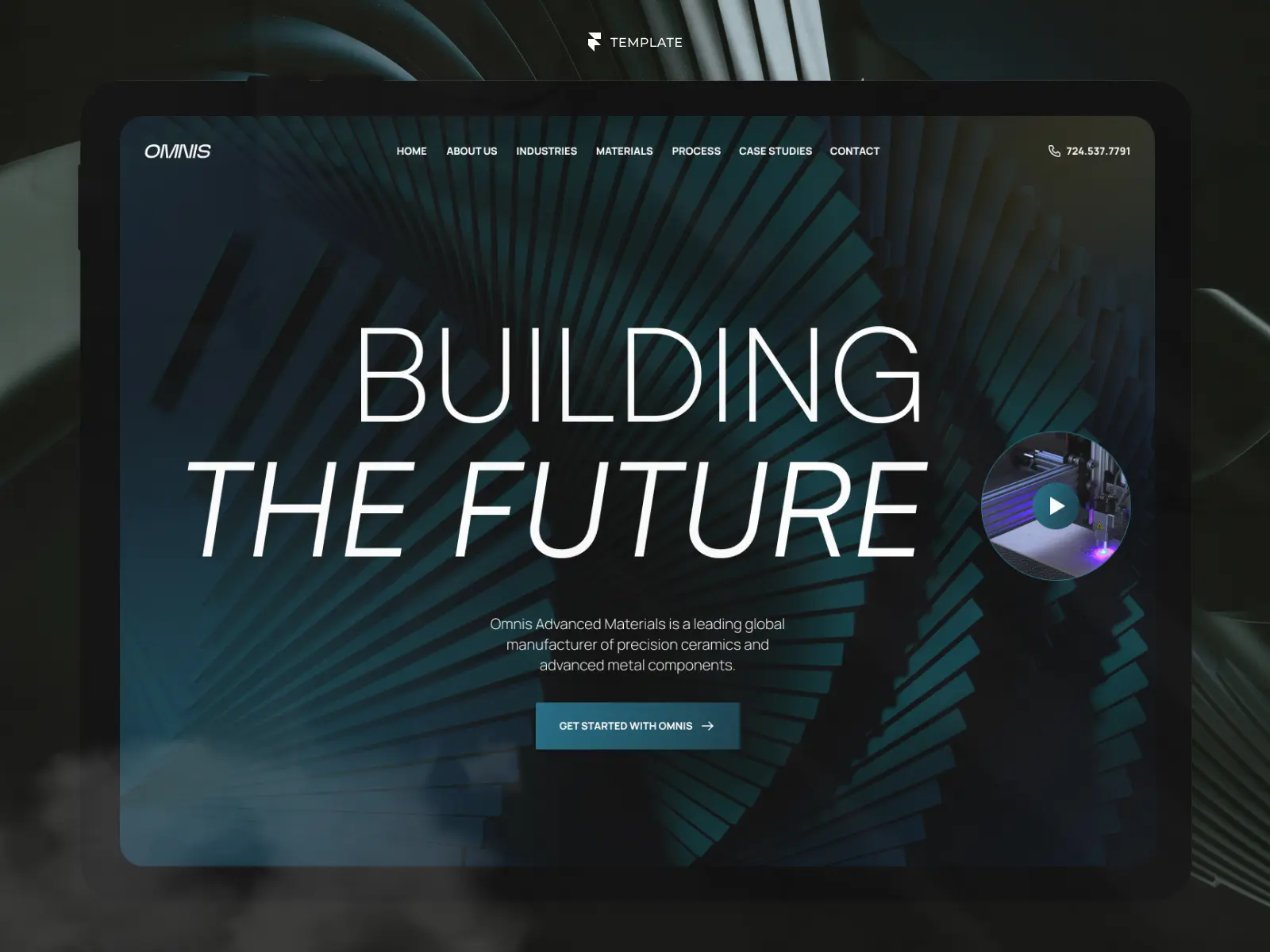
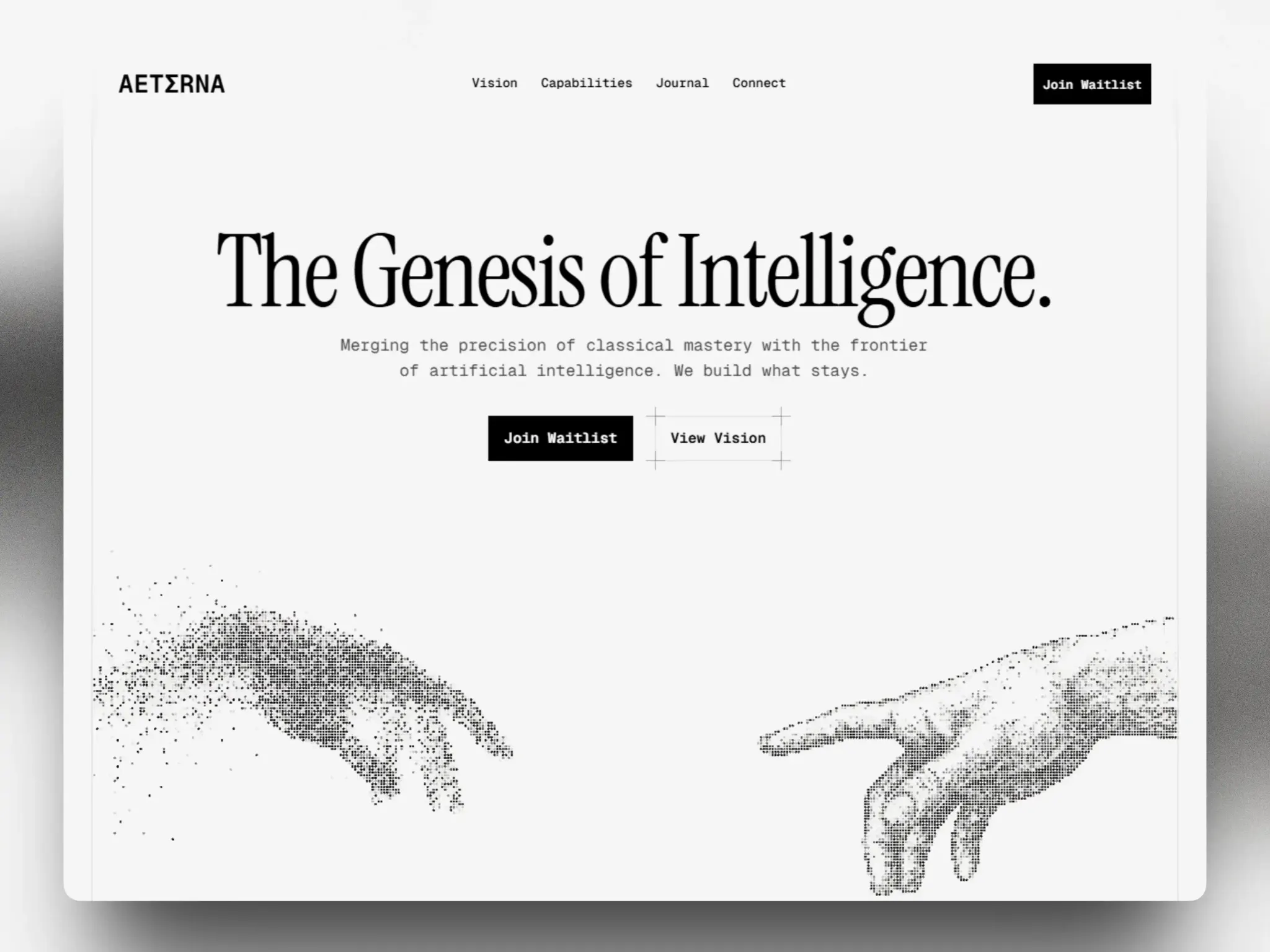
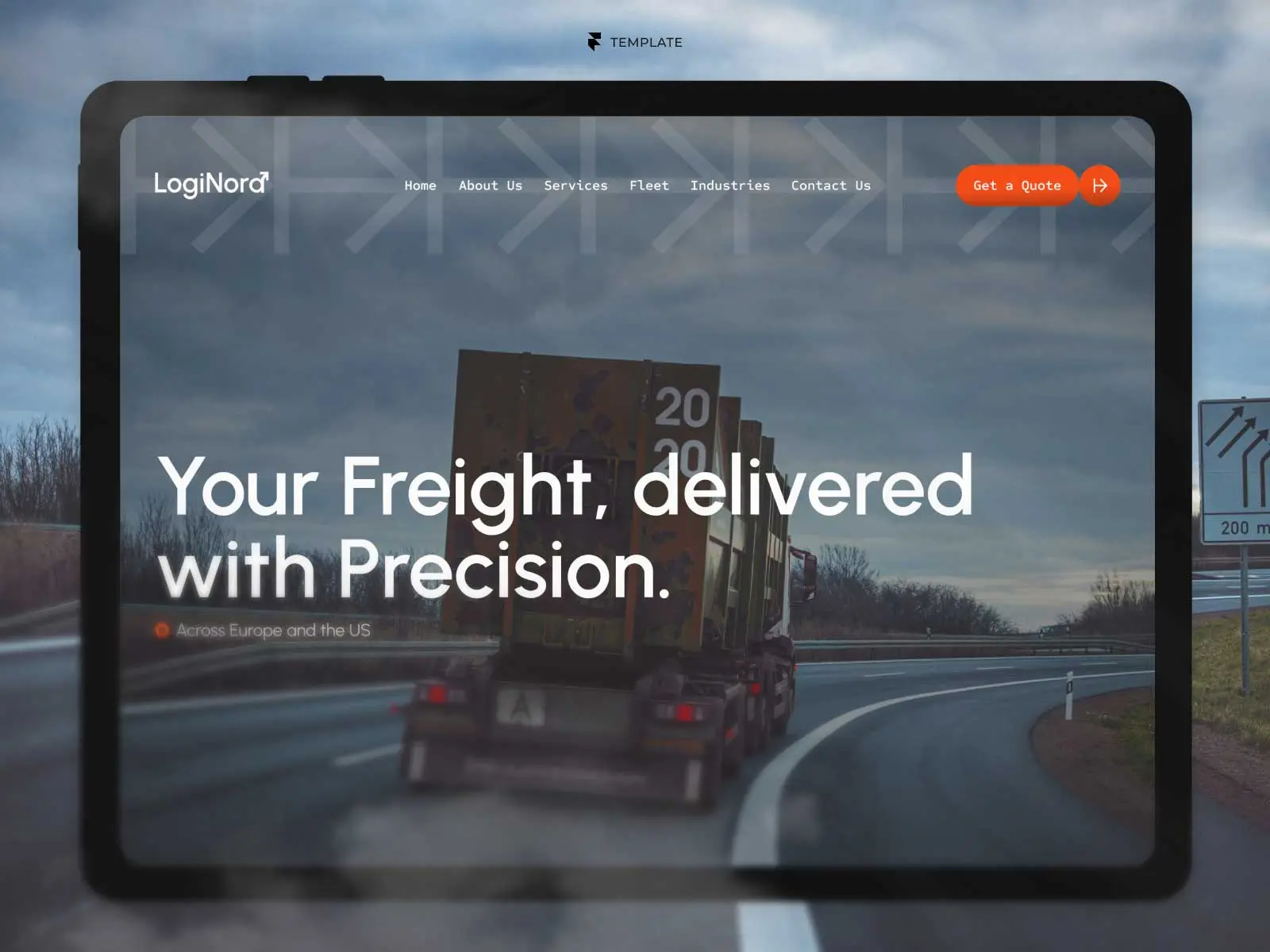
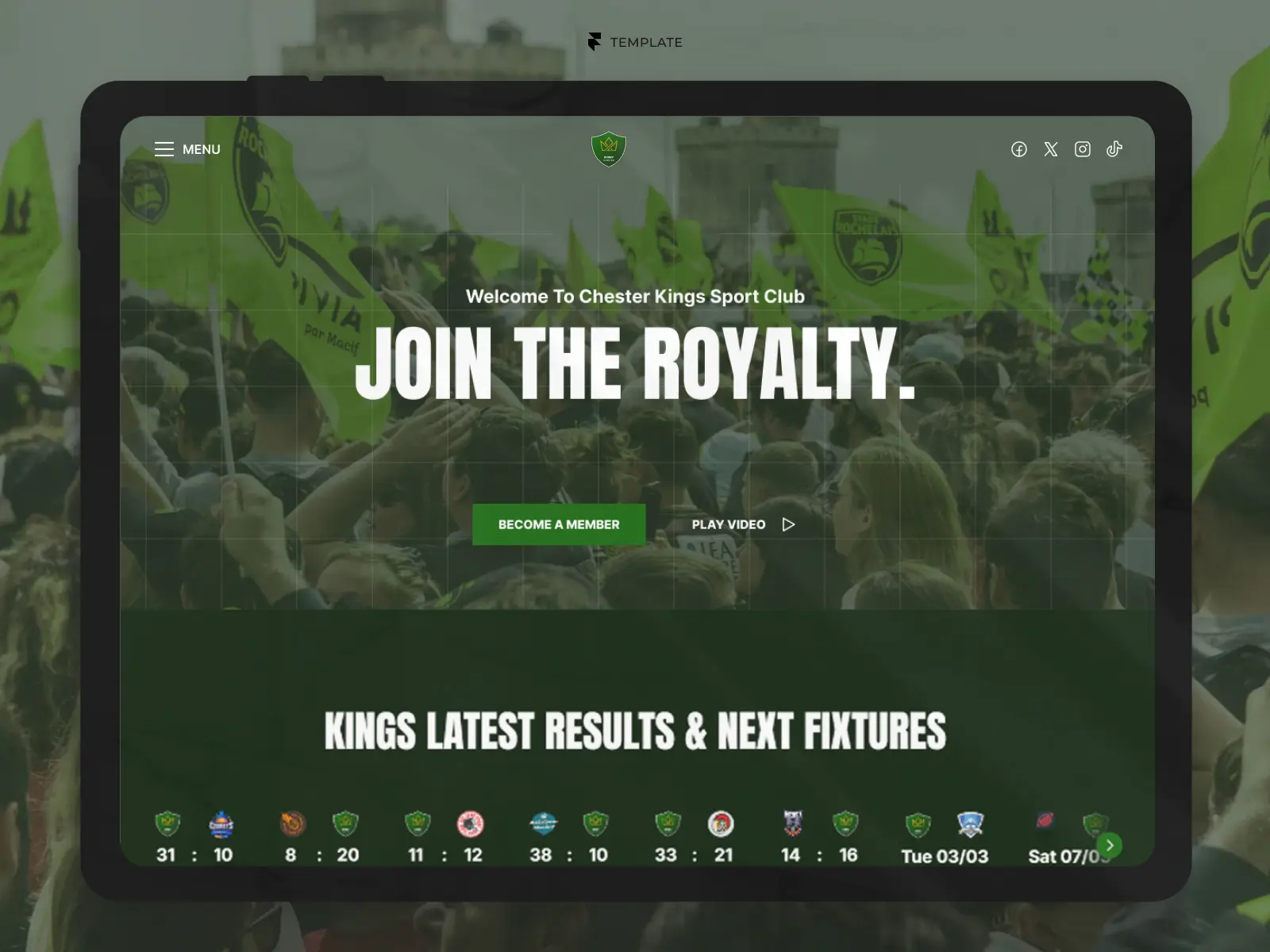
While the platform was originally built for product designers, its audience has expanded significantly. Today, Framer is used by freelancers, design studios, creative agencies, startups, marketing teams, and businesses of all sizes. Many creators also use it to build and sell premium templates through the growing Framer Marketplace, contributing to an ecosystem that continues to evolve alongside the platform itself.
Perhaps the most important way to understand Framer is not through its individual features, but through its workflow.
Rather than separating design, content management, publishing, optimisation, and collaboration into different products, Framer brings them together in a single platform. That integration is what defines the product today—and the reason it has become a compelling choice for teams that want to move from an idea to a published website with fewer tools, fewer handoffs, and a faster workflow.
To understand Framer, it's not enough to look at its individual features. You need to understand how those features work together. That's what the next chapter explores.
Understanding Framer's Architecture
Website platforms are often described through feature lists — CMS, hosting, SEO, animations, forms, AI, and countless other capabilities.
While those features matter, they don't explain how the platform actually works.
A more useful way to understand Framer is to look at it as a collection of connected layers. Each layer supports a different stage of the website creation process, but together they form a single workflow that takes a project from an initial concept to a published website that can continue to evolve over time.
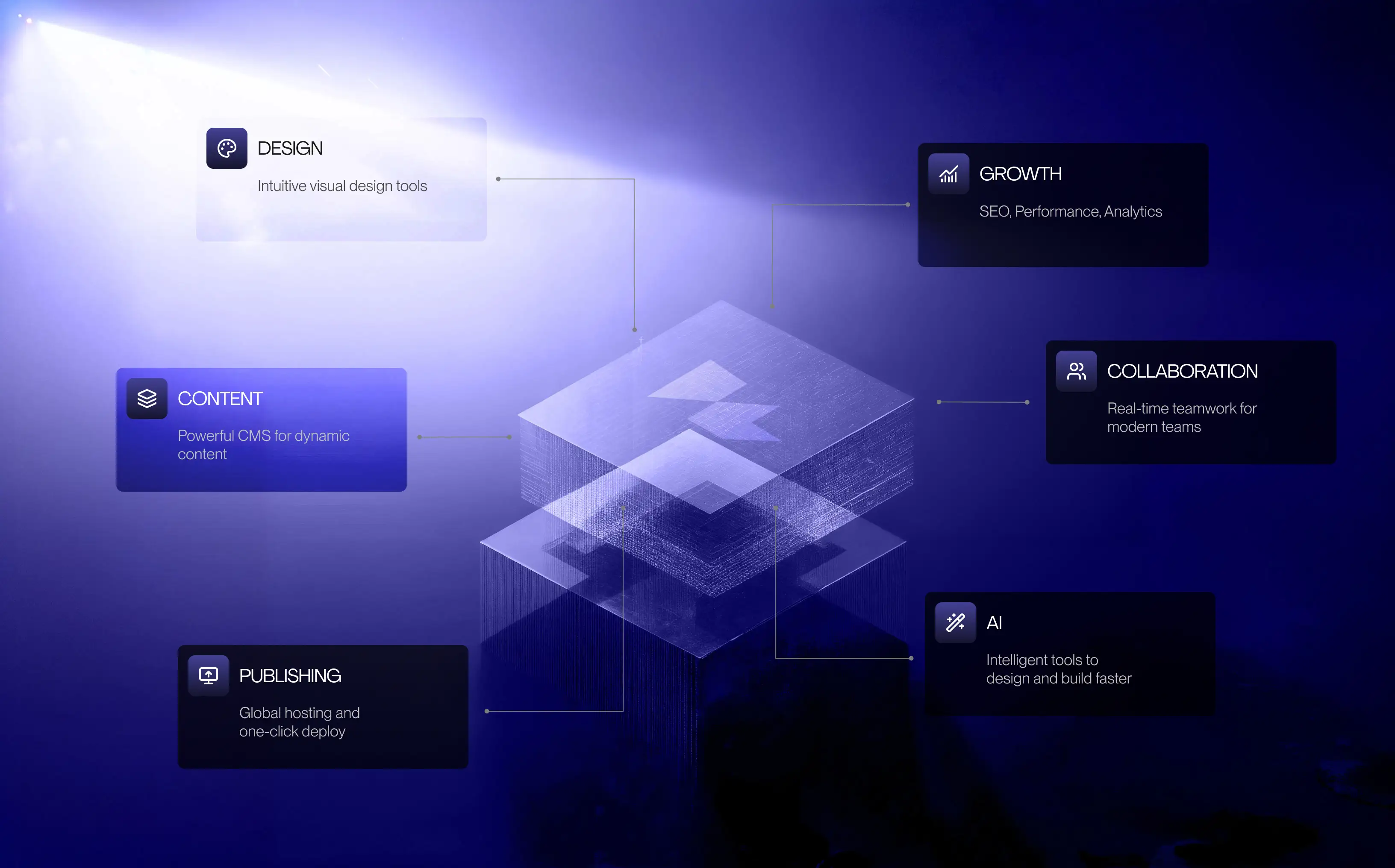
1. Design Layer
Everything in Framer begins with design.
Unlike many website builders that start with templates or predefined layouts, Framer starts with a free-form visual canvas. Designers can create responsive layouts, reusable components, interactions, animations, and design systems without leaving the platform.
The goal isn't simply to make designing easier. It's to ensure that the design itself becomes the foundation of the final website, reducing the need to recreate the same work in another tool before it can be published.
Once the structure is in place, the focus naturally shifts from design to content.
2. Content Layer
Modern websites are rarely static. Blog posts, case studies, products, documentation, careers, and team pages all need to be updated over time.
Framer addresses this through an integrated content management system. Structured collections can power dynamic pages, while rich text editing, image management, localisation, and collaborative publishing tools allow content to evolve without changing the underlying design.
Because the CMS is built directly into the platform, designers and content editors work from the same source instead of maintaining separate systems.
With both design and content in place, the next step is making the website available to the world.
3. Publishing Layer
Publishing is more than pressing a button.
A production website needs reliable hosting, global content delivery, HTTPS, custom domains, version history, and a deployment process that doesn't interrupt ongoing work.
Framer brings these responsibilities into the platform itself. Websites can be published directly from the same environment where they were designed, removing much of the complexity traditionally associated with deployment and infrastructure.
But launching a website is only the beginning.
4. Growth Layer
Once a website is live, attention shifts from creating it to helping people find it.
Framer includes built-in tools for search engine optimisation, metadata management, structured data, redirects, XML sitemaps, performance optimisation, and integrations with analytics and marketing platforms. Together, these capabilities help teams improve visibility, measure performance, and continue refining their websites after launch.
Growth isn't treated as a separate phase that begins after development. It's built into the same workflow from the start.
As websites grow, so do the teams behind them.
5. Collaboration Layer
Few modern websites are created by a single person.
Designers, marketers, developers, copywriters, and clients often contribute throughout the lifetime of a project. Framer supports this through collaborative editing, comments, publishing workflows, reusable components, permissions, and shared workspaces that make it easier for multiple people to work together without relying on disconnected tools.
The result is a workflow where design, content, and publishing remain closely connected, even as more people become involved.
6. AI Layer
Artificial intelligence has become an increasingly important part of the Framer platform, not as a replacement for designers, but as an accelerator for common tasks.
AI can generate page structures, assist with layouts, rewrite or translate content, suggest improvements, and help users move from an idea to a working website more quickly. These capabilities continue to evolve, but they complement the existing workflow rather than redefining it.
Instead of replacing human creativity, AI reduces repetitive work and lowers the barrier to getting started.
Bringing the Layers Together
Taken individually, none of these layers is unique.
Many platforms offer visual design tools. Others provide CMS capabilities, managed hosting, collaboration features, or AI-powered assistants.
What makes Framer distinctive is how these layers work together.
Rather than moving between separate tools to design, build, publish, and manage a website, teams can complete the entire process within a single platform. Each layer builds on the previous one, creating a workflow where design becomes content, content becomes a website, and the website continues to evolve after it goes live.
That's what defines Framer today — not a single feature, but the way every part of the platform works together.
The Ecosystem Around Framer
As platforms mature, they often become more than the products themselves.
Communities form around them. People share knowledge, build businesses, create educational content, develop specialised services, and contribute tools that extend what the platform can do.
Framer has reached that stage.
What began as a design tool has grown into an ecosystem that supports creators, agencies, developers, educators, and businesses around the world.

1. Creators and Templates
One of the clearest signs of Framer's growth is its creator community.
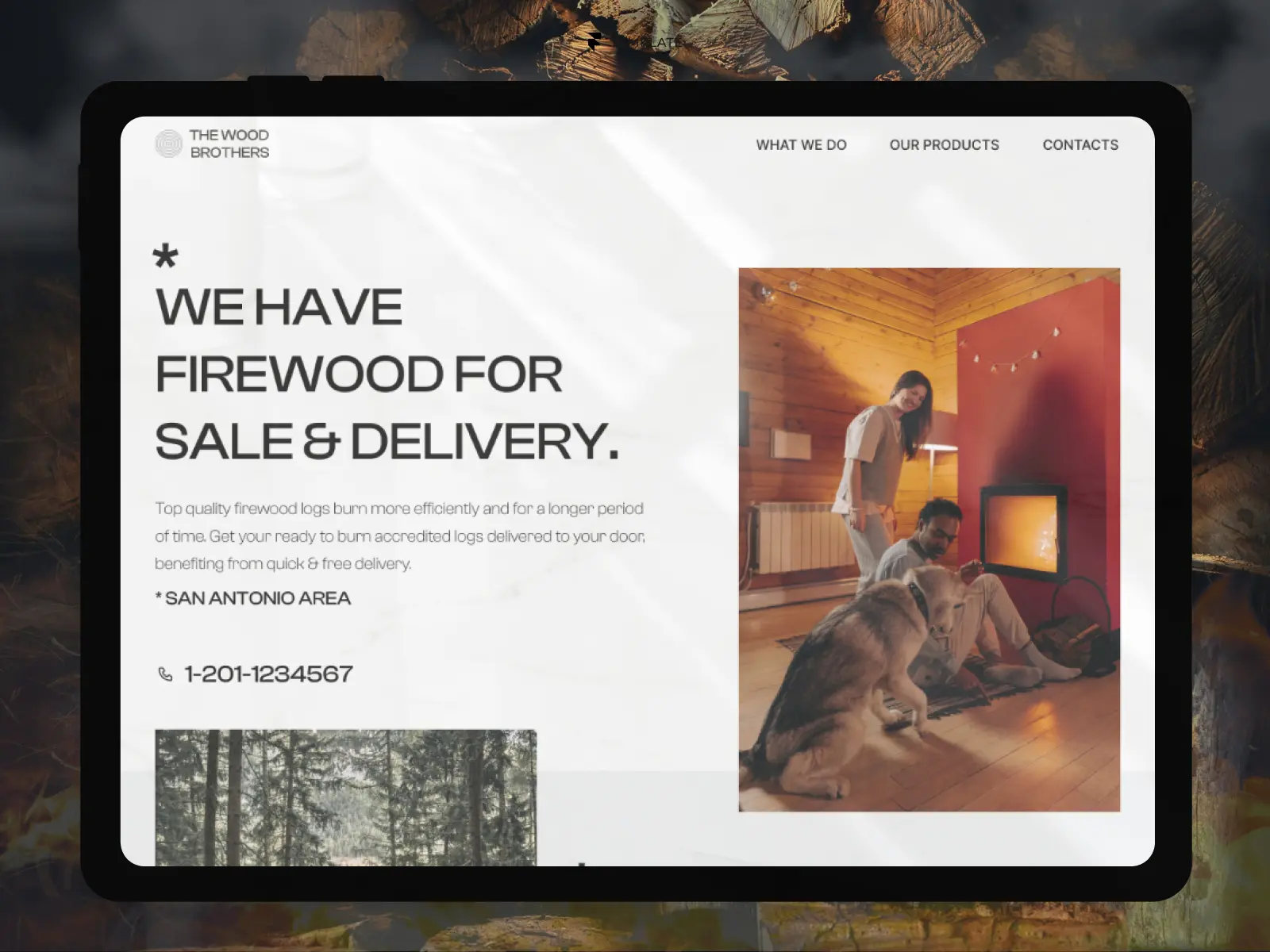
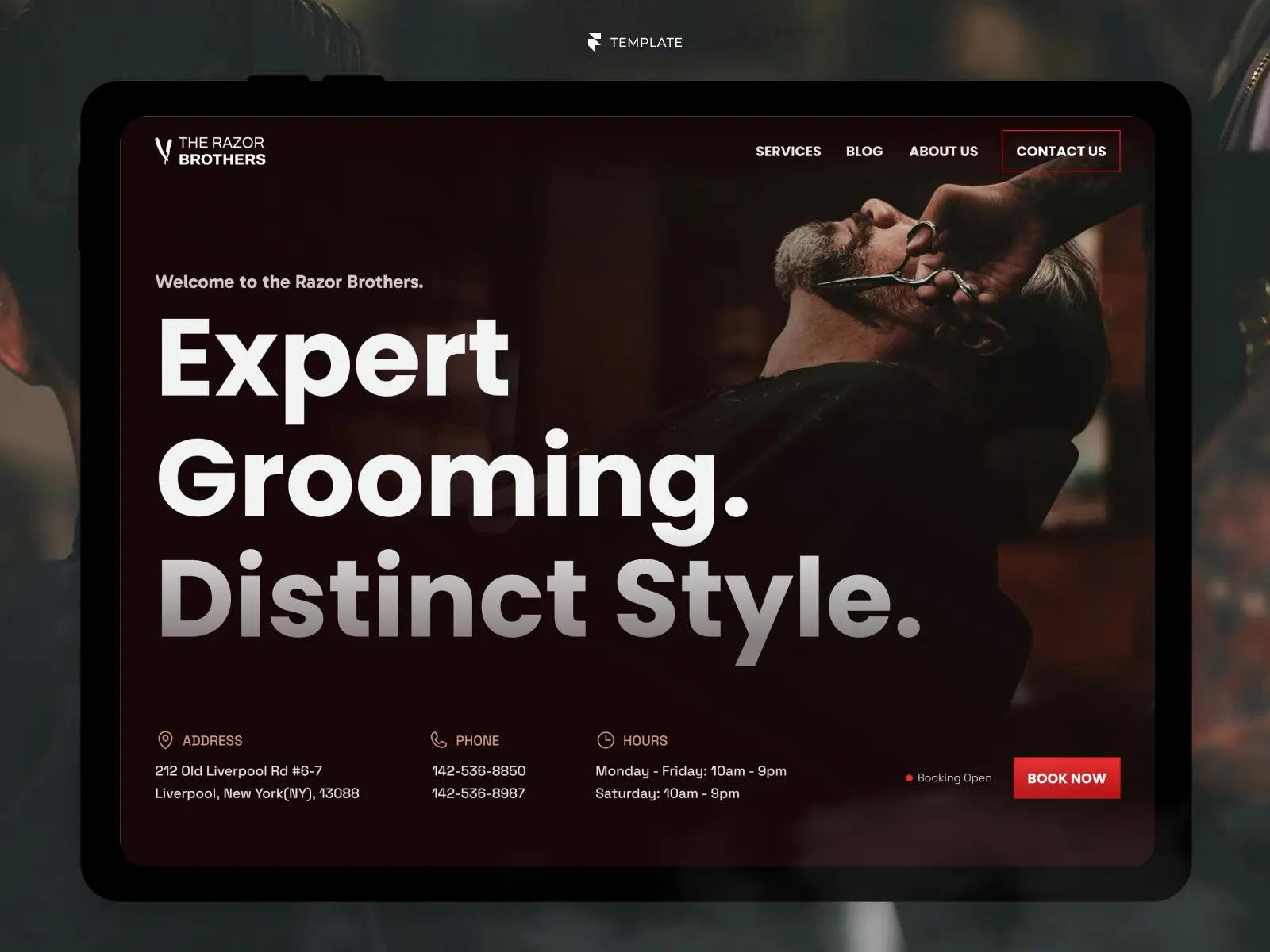
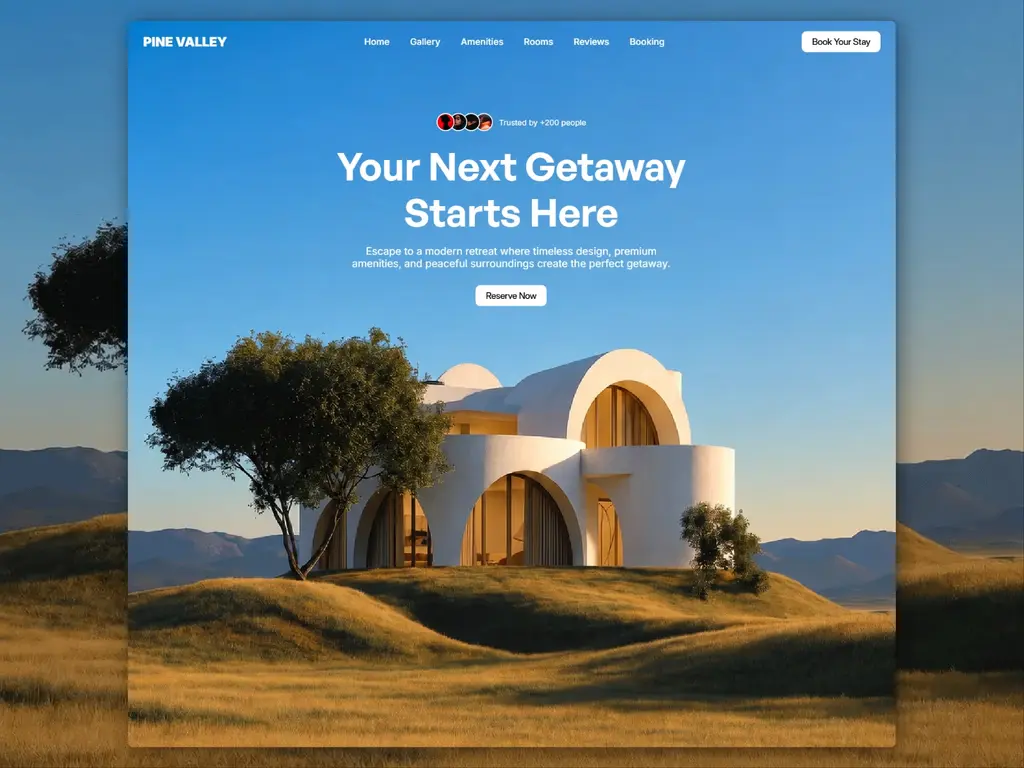
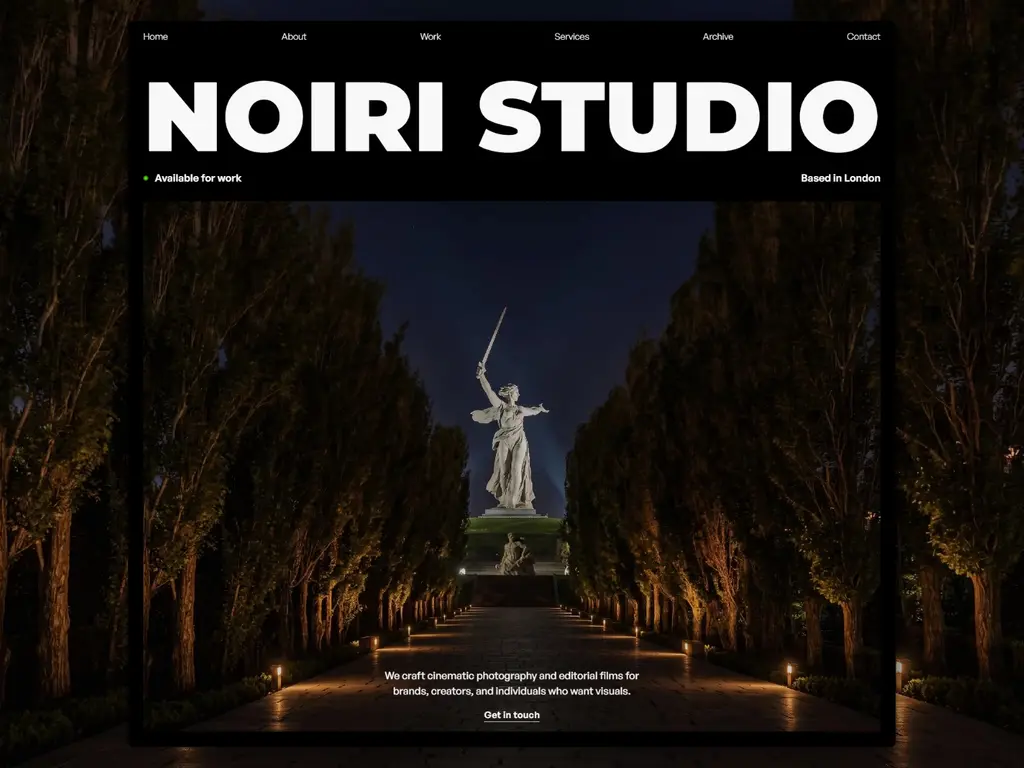
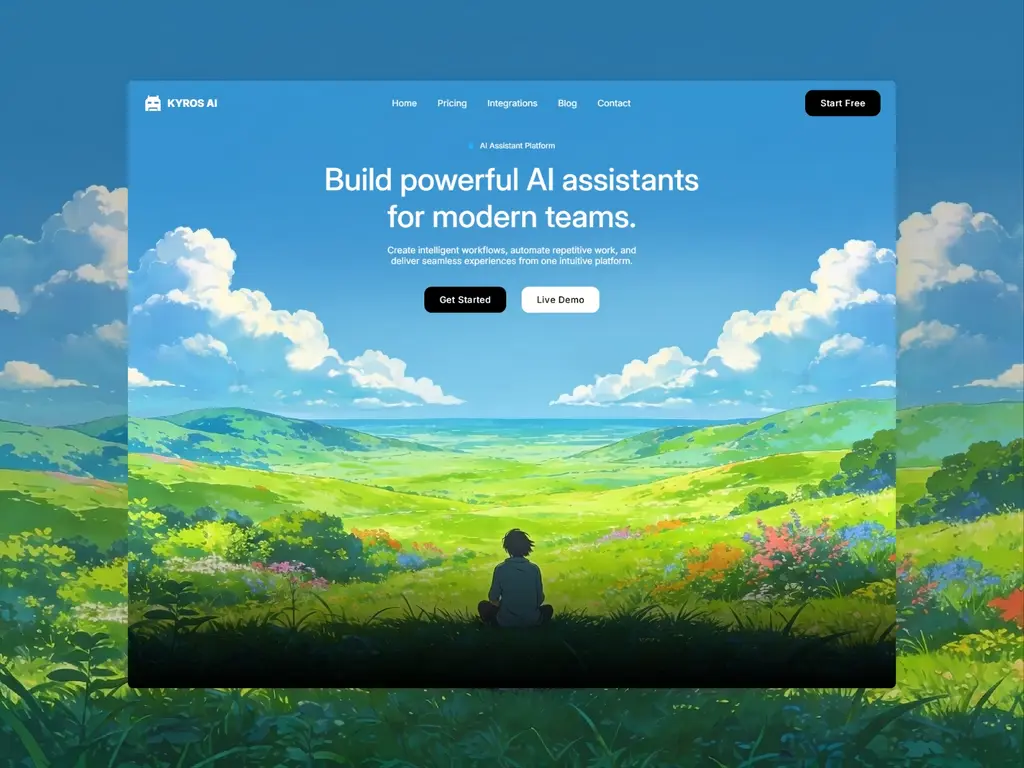
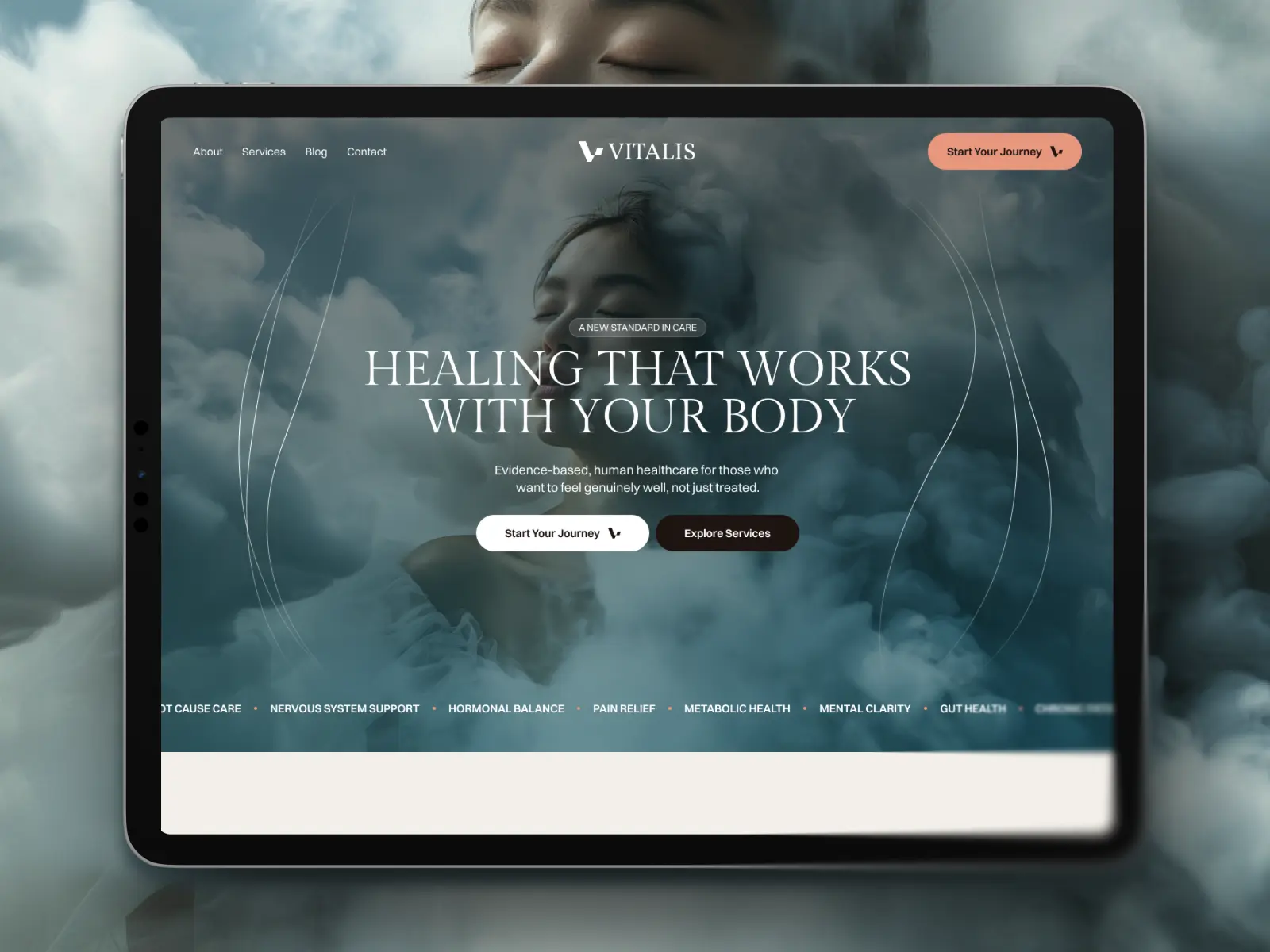
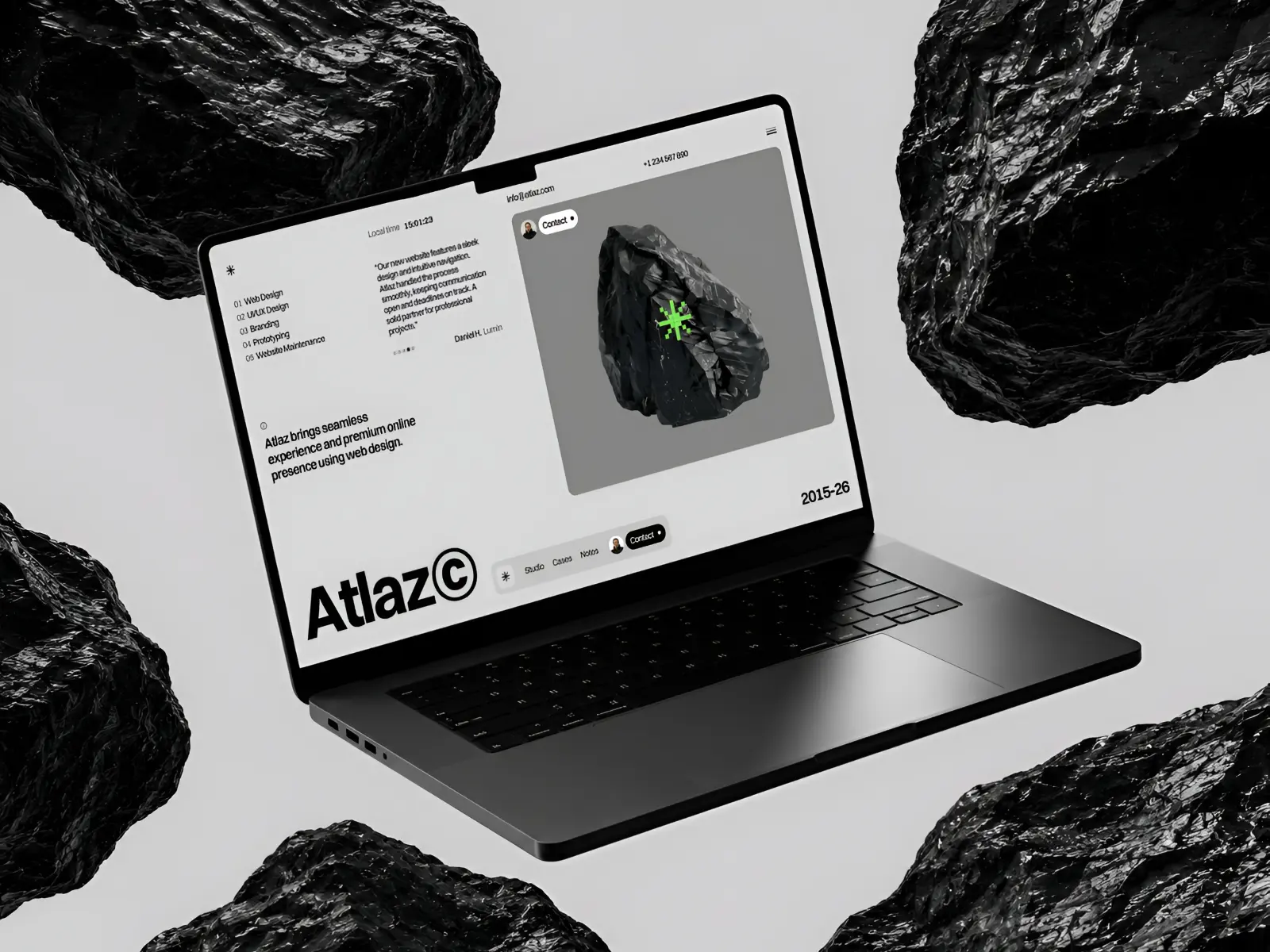
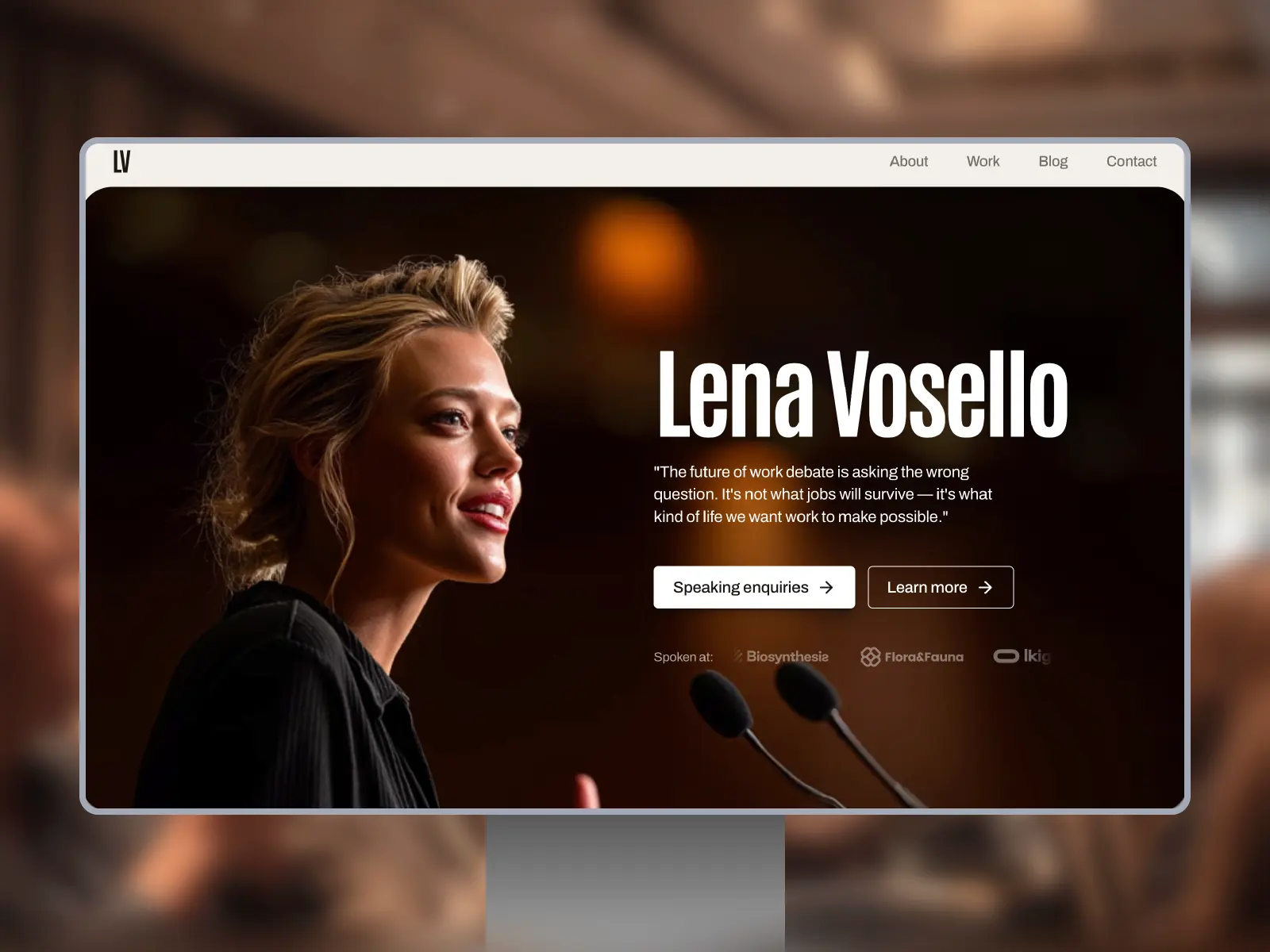
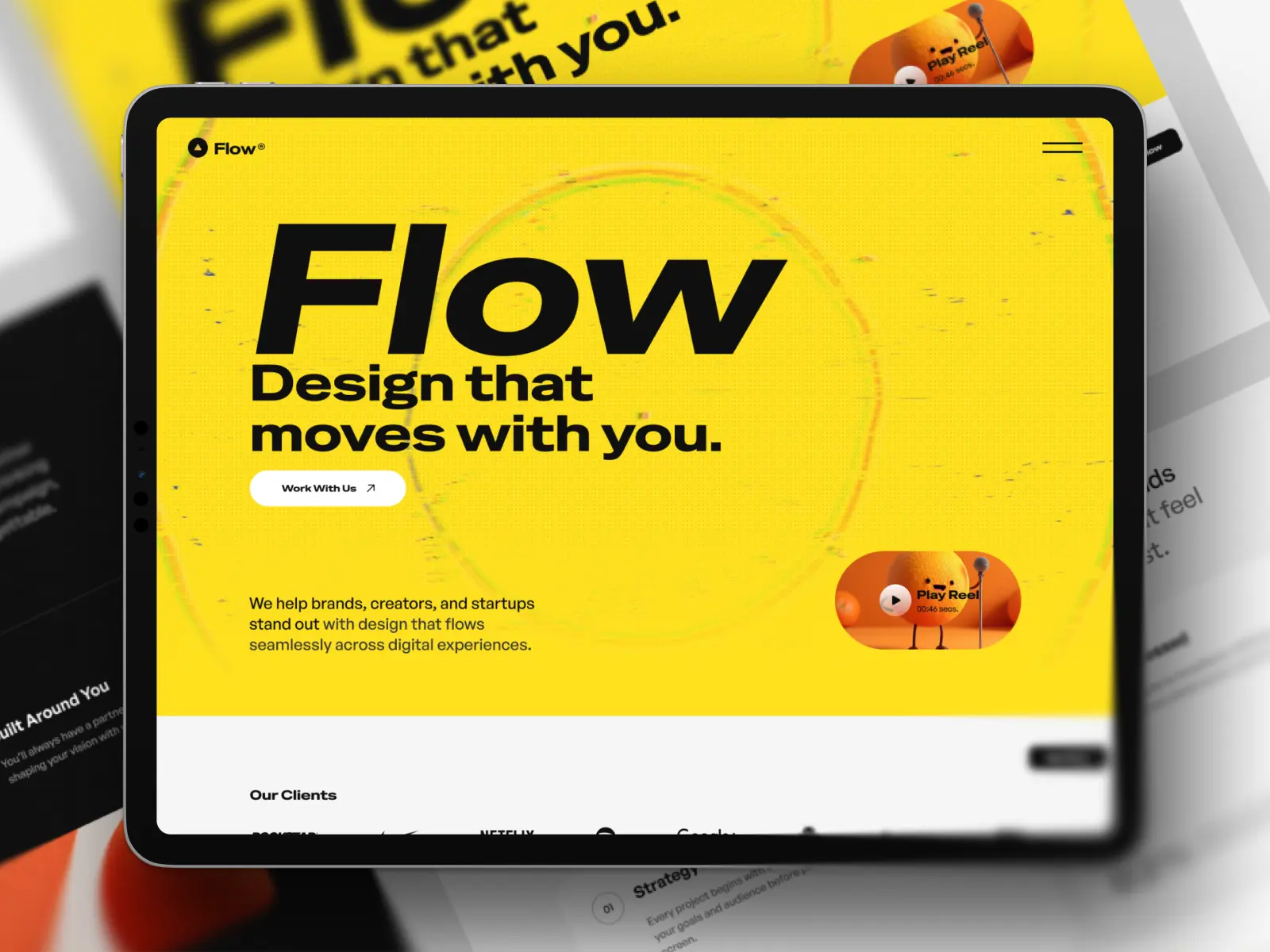
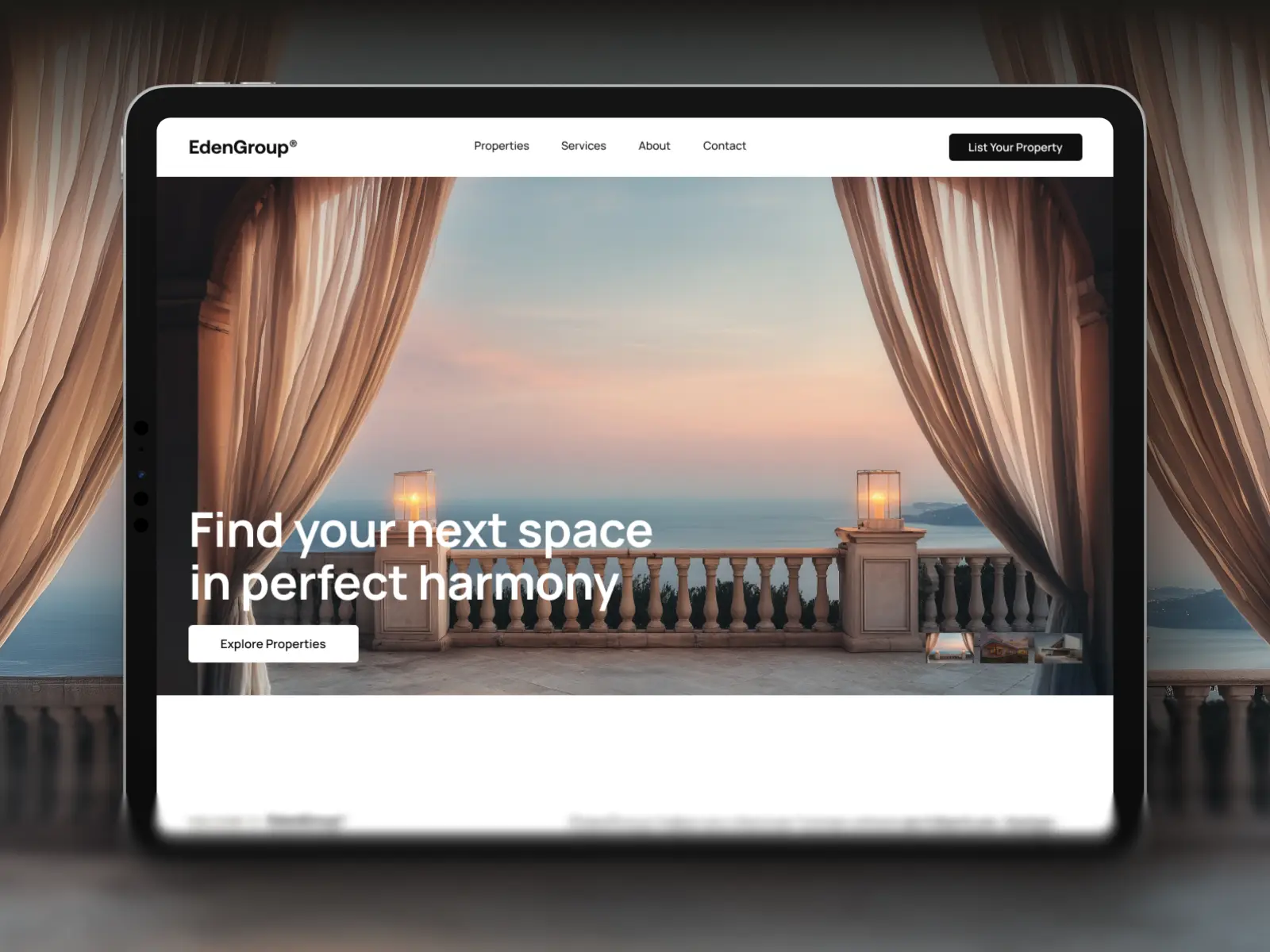
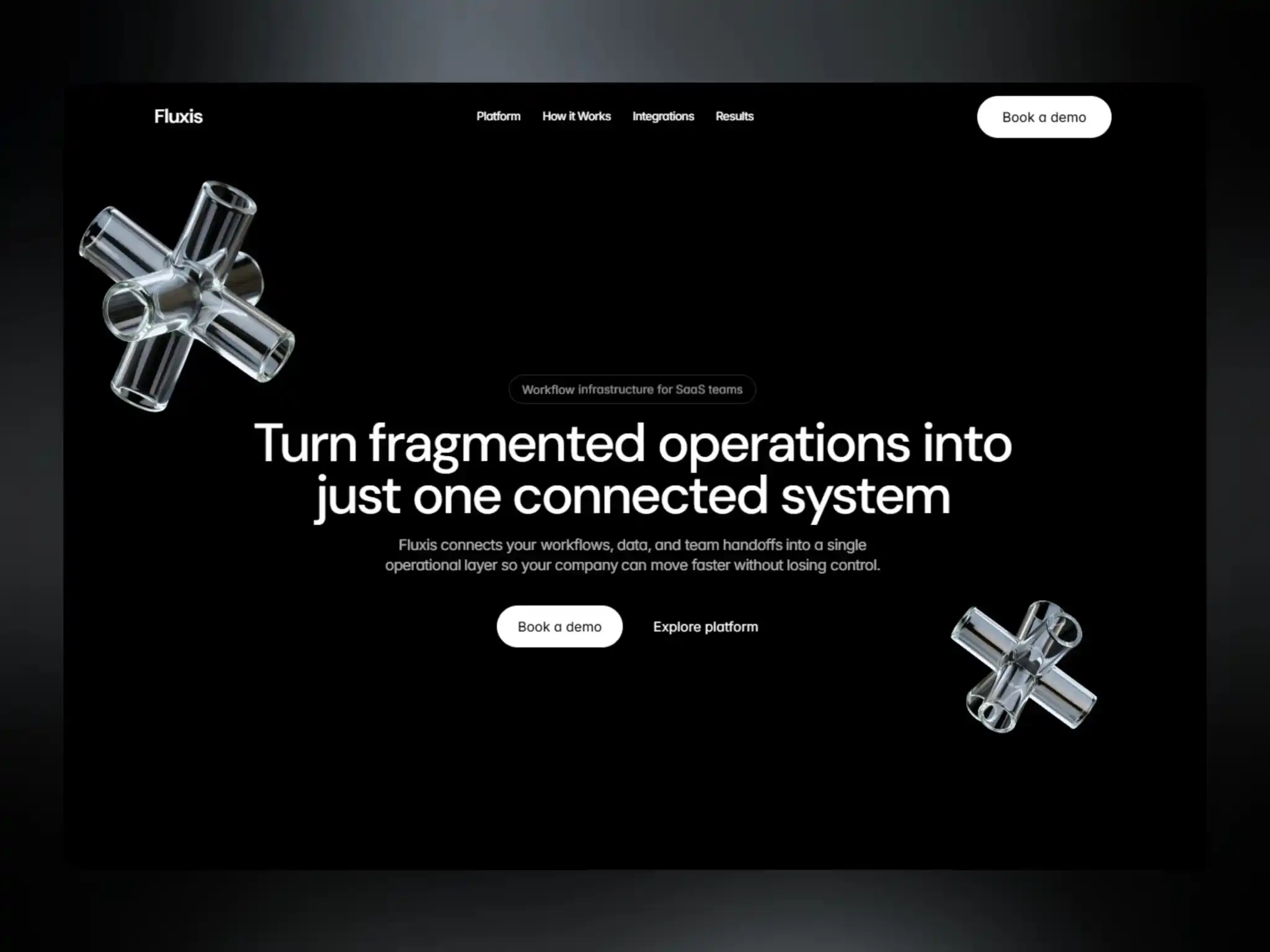
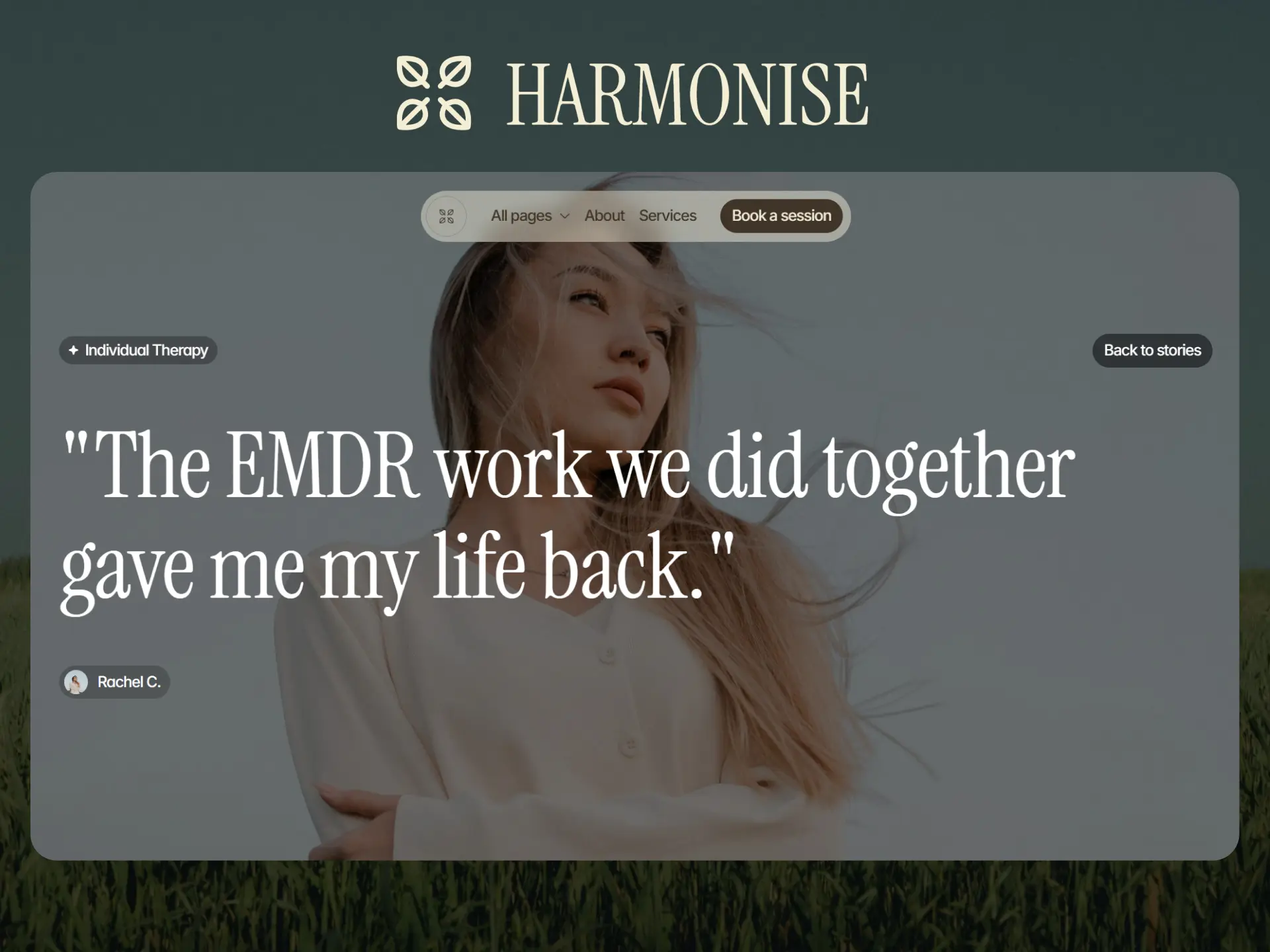
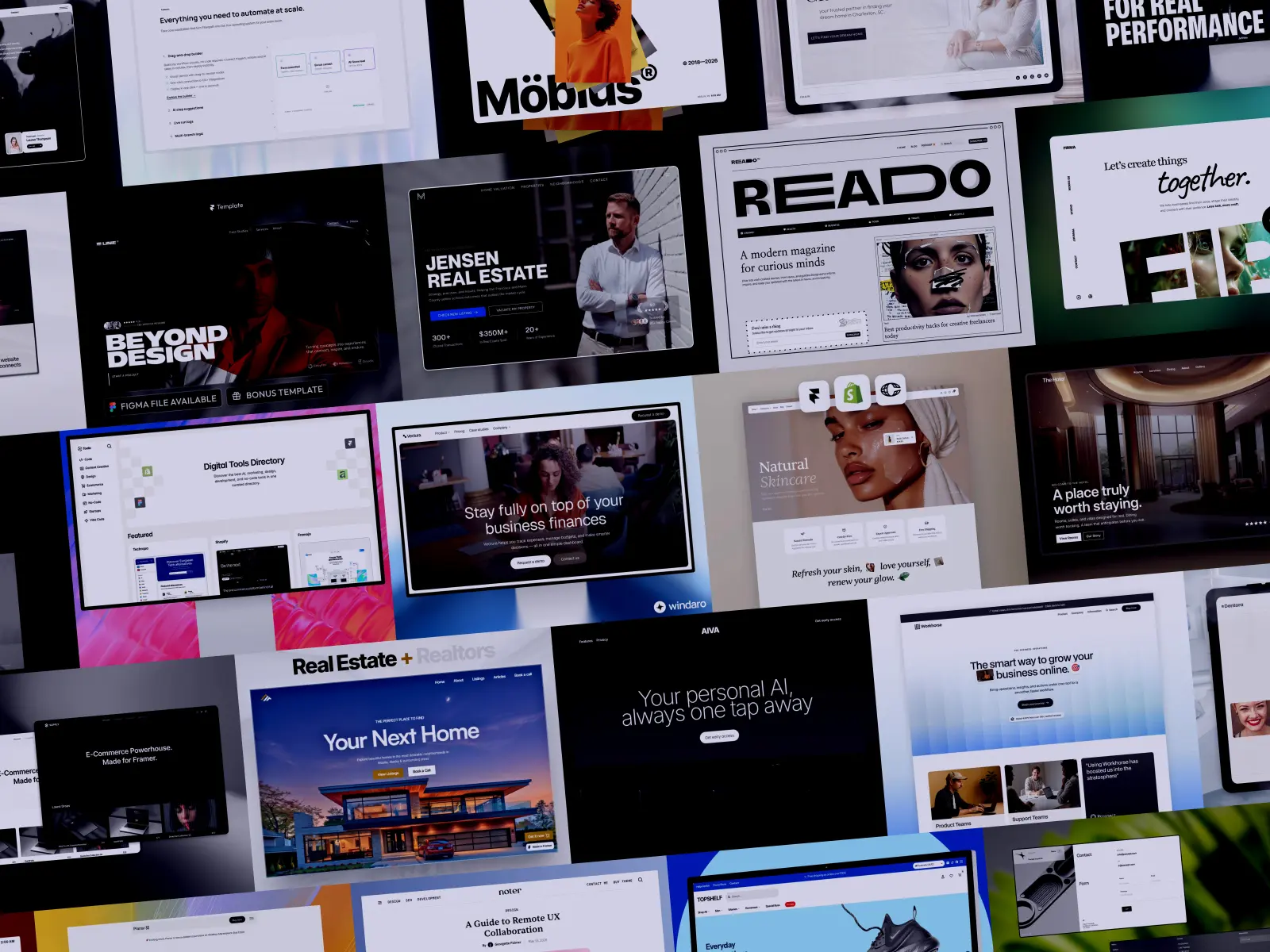
A growing number of designers now build and sell premium templates covering everything from startup landing pages and portfolios to ecommerce, SaaS, healthcare, real estate, and countless other industries.
This includes a growing range of website templates for small businesses, designed for sectors such as healthcare, real estate, restaurants, and local services.
For many independent designers, template creation has become a business in its own right, generating recurring revenue while helping other users launch websites more quickly.
2. Agencies and Freelancers
As Framer has matured, many agencies and independent designers have adopted it as their primary platform for marketing websites.
Some specialise exclusively in Framer, while others have expanded their existing design services to include Framer development, migrations, maintenance, SEO, and ongoing website management.
This has created a growing professional services ecosystem around the platform.
3. Education
The platform has also inspired an active educational community.
Official documentation, YouTube channels, online courses, newsletters, tutorials, design communities, and workshops help newcomers learn the platform while allowing experienced users to discover new techniques and workflows.
Knowledge has become one of Framer's most valuable shared resources.
4. Marketplace and Integrations
The official Marketplace gives creators a place to distribute templates, plugins, components, and other resources to the wider community.
Alongside it, integrations with analytics platforms, automation tools, CMS providers, forms, payments, and third-party services allow teams to adapt Framer to increasingly complex workflows.
5. Businesses Built Around Framer
Perhaps the strongest sign of a healthy ecosystem is that businesses now exist because Framer exists.
Studios specialise exclusively in Framer.
Creators earn a living selling templates.
Consultants help companies migrate websites.
Educators build courses.
Communities organise events.
New products are developed specifically for Framer users.
At that point, the platform has become more than software.
It has become an economy.
The strength of a platform is no longer measured only by its features.
It's also measured by what other people build on top of it.
The platform continues to evolve, and so does the ecosystem around it.
Today, understanding Framer means understanding both the platform itself and the community that continues to expand around it.
Conclusion
Framer's story is about more than the evolution of a single product.
It reflects a broader shift in how websites are designed, built, and managed.
For many years, creating a website meant moving through a chain of specialised tools. Designers created mockups, developers rebuilt them, content editors worked in separate systems, and publishing was treated as the final step of a fragmented process.
Framer took a different approach by bringing those stages together into a single platform. Rather than focusing on individual features, it focused on simplifying the workflow that connects them.
Whether that approach becomes the long-term standard for website creation remains to be seen. The web continues to evolve, and so do the tools used to build it.
What is already clear, however, is that Framer has established itself as an important part of that evolution. Its journey from a niche prototyping tool to a modern website platform illustrates how quickly digital products can change when they stop improving existing workflows and begin rethinking them.
Understanding Framer today means understanding more than the platform itself. It means understanding how the relationship between design, development, content, and publishing continues to evolve.
Try Systeme.io
Your website is only the beginning.
Take your Framer site further with funnels, email marketing, automation, bookings and more.


AFFILIATE PARTNER