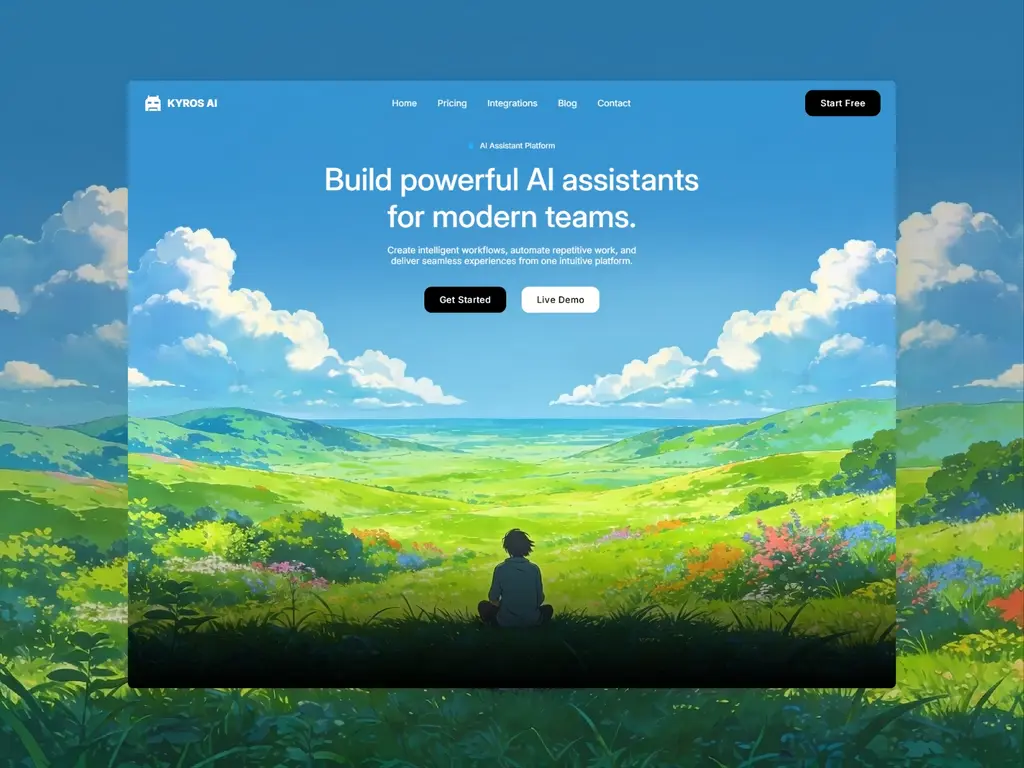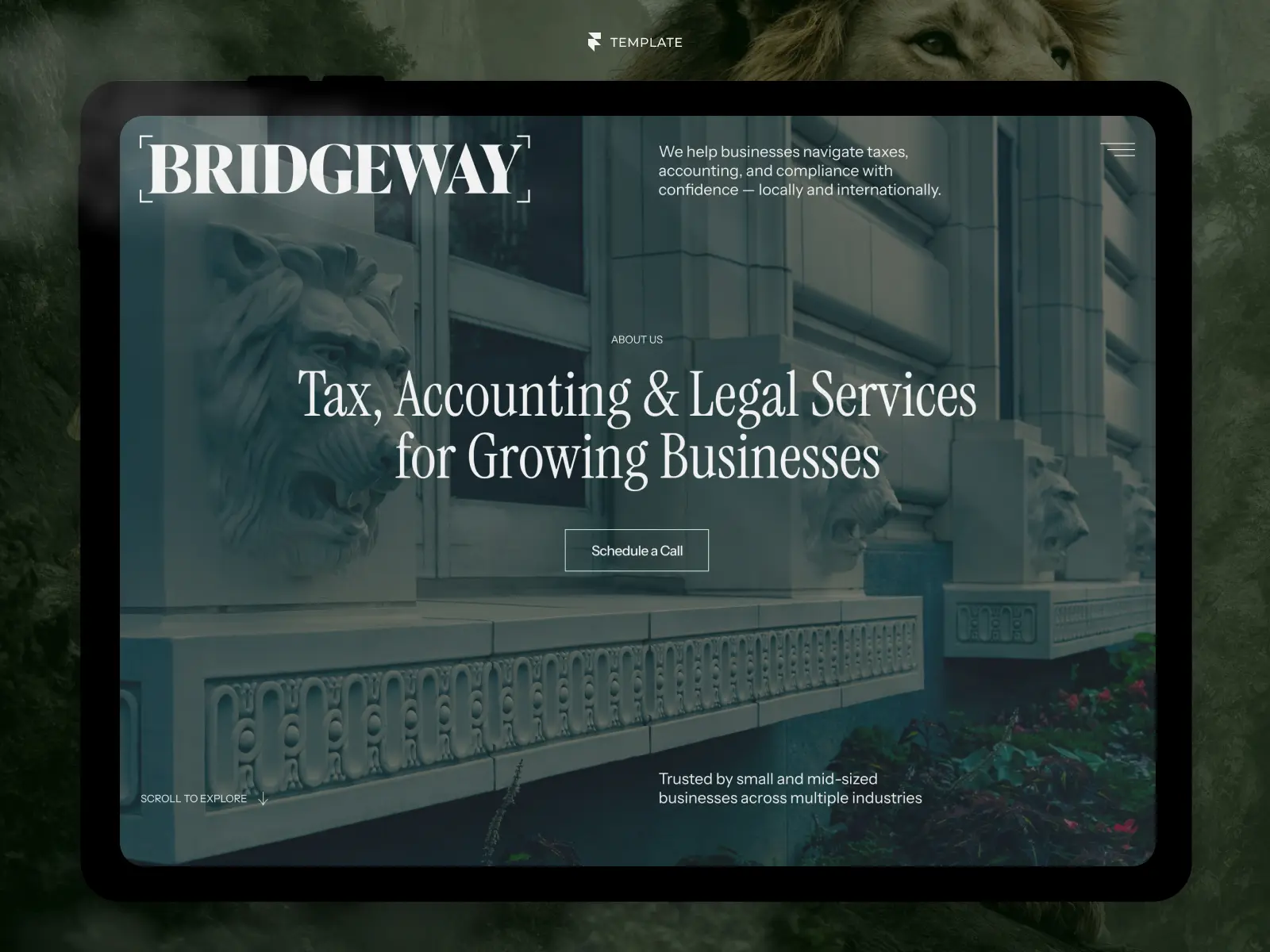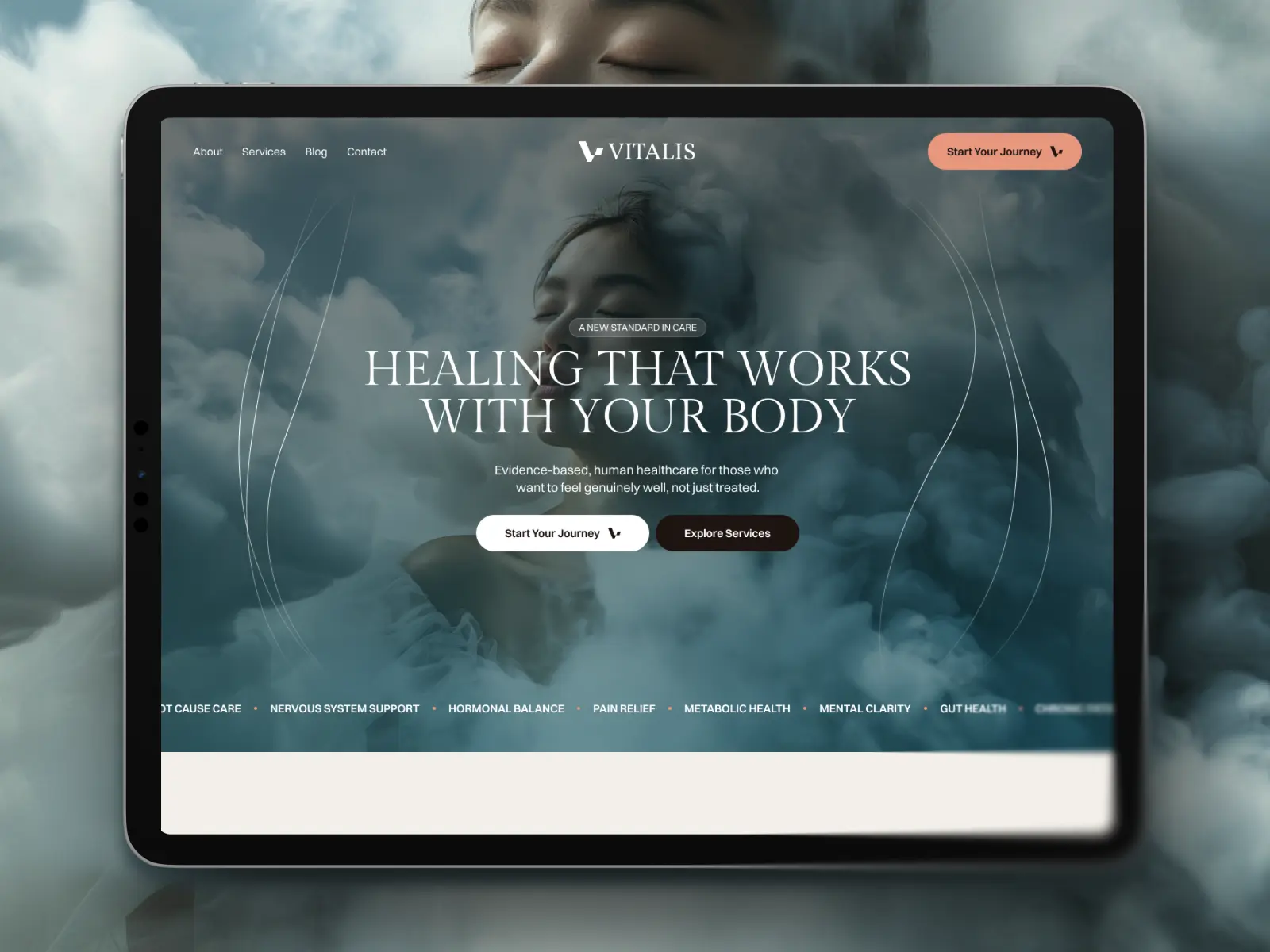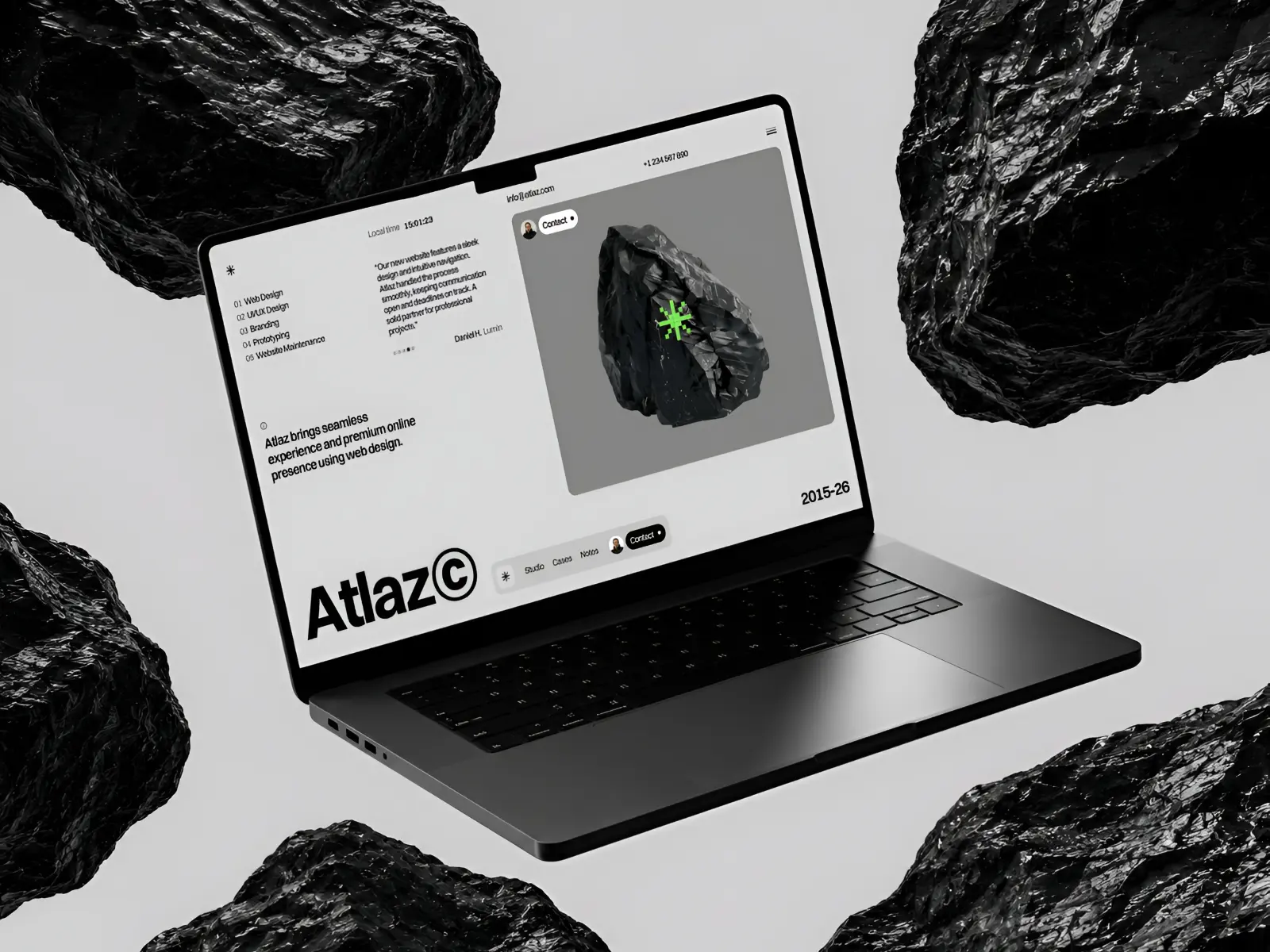
10 min read
Premium vs Free Framer templates: is it worth paying?
If you've started looking for a Framer template, you've probably noticed there are plenty of free options available. At the same time, premium templates can cost anywhere from $29 to over $100, making one question almost inevitable: is it actually worth paying?
The answer depends less on your budget than on what you're trying to build. A free template might be the perfect choice for learning Framer, validating an idea, or launching a simple personal project. On the other hand, if you're building a business website, portfolio, or client project, investing in a premium template can often save hours of work and help you achieve a more polished result.
The discussion isn't really about whether free or premium templates are "better." It's about understanding the trade-offs. Free templates save money but often require more time to customize. Premium templates require an upfront investment but typically offer more complete designs, better user experience, ongoing support, and features that can significantly speed up your workflow.
In this guide, we'll compare free and premium Framer templates across design quality, customization, support, long-term value, and overall cost—not just in terms of money, but also the time and effort required to build a professional website.
What Free Framer Templates Offer
Free Framer templates are popular for a good reason. They lower the barrier to entry, making it easy for anyone to launch a website without spending money upfront. Whether you're learning Framer, testing a business idea, or building a personal project, a free template can often provide everything you need to get started.
For beginners, free templates are also an excellent way to explore how professionally built websites are structured. You can study layouts, interactions, responsive behavior, and CMS setups while adapting the design to your own needs.
Free templates are often the right choice if you're:
Learning Framer for the first time.
Building a personal portfolio or resume.
Creating a simple landing page.
Validating a startup or side project.
Working with a very limited budget.
It's also worth noting that "free" doesn't automatically mean "low quality." Many talented designers release free templates to showcase their work, contribute to the Framer community, or promote their premium products. Some are exceptionally well designed and can serve as a solid foundation for smaller projects.
The key is understanding that free templates are typically designed to solve simpler problems. As your website grows in complexity—or becomes more important to your business—you may begin to notice the trade-offs.
Where Free Templates Start to Show Their Limits
As your project grows, the limitations of free templates often become more noticeable. This doesn't mean they're poorly designed — it simply reflects the fact that many free templates are built to showcase ideas rather than support a wide range of real-world business needs.
One of the most common differences is completeness. Free templates often include fewer pages, simpler navigation, limited CMS functionality, and fewer customization options. If your website only needs a homepage, that may not matter. But if you're building a marketing website, agency site, or SaaS product, you may quickly find yourself creating new pages and components from scratch.
Another factor is polish. Premium templates typically receive more time and attention during development, resulting in more refined layouts, stronger visual hierarchy, better responsive behavior, and smoother interactions. While these details may seem small individually, together they contribute to a more professional user experience.
Support and maintenance can also make a significant difference. Many free templates are released as one-off projects and may never be updated again. Premium templates, on the other hand, are more likely to receive bug fixes, compatibility updates, and creator support when questions arise.
Perhaps the biggest trade-off, however, is time. A free template might save you money upfront, but if you spend hours redesigning sections, improving responsiveness, adding CMS collections, or rebuilding key features, the initial savings can quickly disappear.
For small personal projects, these compromises are often perfectly acceptable. But for business websites or client work, they become much more important because every additional hour spent customizing is time that could have been invested elsewhere.
What You're Actually Paying For
When you buy a premium Framer template, you're not simply paying for a collection of pages or a polished design. In most cases, you're paying for the time, expertise, and attention to detail that went into creating a website you can launch with far less effort.
A well-crafted premium template is often the result of dozens—or even hundreds—of hours spent refining layouts, improving user experience, testing responsiveness, organizing CMS collections, and ensuring every page works together as a cohesive system.
While every template is different, premium templates typically include:
More complete page structures for different business needs.
Thoughtfully designed user experiences and conversion-focused layouts.
Fully configured CMS collections for blogs, services, portfolios, or case studies.
Better responsive behavior across desktop, tablet, and mobile devices.
More polished animations and interactions.
SEO-friendly page structure and cleaner organization.
Documentation to help you customize the template.
Ongoing updates and creator support.
These features don't necessarily make a premium template "better" for every project. If you're creating a simple landing page for a personal idea, you may never use half of them.
However, if you're building a website for a business, client, or long-term project, they can significantly reduce the amount of work required after purchasing the template.
Instead of starting with a beautiful homepage and building everything else yourself, you're starting with a much more complete foundation—allowing you to focus on your content, branding, and business rather than rebuilding essential website components.
You're Also Paying for Differentiation
Another benefit that's often overlooked is differentiation. While no template—free or premium—can guarantee exclusivity, premium templates are generally used by fewer people than the most popular free alternatives.
More importantly, premium templates usually provide a stronger foundation for customization. With more complete page structures, flexible CMS collections, and a more refined design system, it's easier to adapt the website to your own brand instead of leaving it looking like a recognizable template.
For businesses, this matters. Your website is often the first impression customers have of your brand. Starting from a template that feels more distinctive—and that gives you more room to personalize—can help create a stronger and more memorable online presence.
Feature | Free Templates | Premium Templates |
|---|---|---|
Price | Free | Paid (typically $29–$149+) |
Design Quality | Varies from basic to excellent | Typically more polished and refined |
Pages Included | Usually fewer pages | More complete website structures |
CMS Setup | Often limited or not included | Commonly includes blogs, portfolios, services, and more |
Responsive Design | May require adjustments | Usually optimized across devices |
Animations & Interactions | Basic or minimal | More polished and purposeful |
Customization | Can require significant rebuilding | Designed to be easier to adapt |
Support | Rarely available | Often included by the creator |
Updates | Infrequent | More likely to receive ongoing improvements |
Best For | Learning, personal projects, MVPs | Businesses, agencies, startups, and client work |
The comparison above reflects general differences rather than strict rules. You'll find exceptional free templates and average premium ones. Instead of focusing solely on price, consider which option best matches your project's complexity, timeline, and long-term goals.
When a Free Template Is Enough
Despite the advantages of premium templates, there are plenty of situations where a free template is the smarter choice. If your goal is to learn Framer, experiment with new ideas, or launch a simple website quickly, paying for a premium template may not provide enough additional value.
A free template is often the right option if you're:
Learning how Framer works and exploring its features.
Building a personal portfolio or resume website.
Creating a landing page to validate a business idea.
Launching a side project with a limited budget.
Building an internal website or temporary project.
For these types of projects, speed and affordability often matter more than advanced features or complete page structures. Even if you eventually outgrow the template, you've still been able to launch quickly without making an upfront investment.
The key is to be realistic about your project's requirements. If your website only needs a handful of pages and doesn't rely on advanced CMS functionality, extensive customization, or ongoing updates, a well-designed free template may be all you need.
Rather than asking "Should I always buy a premium template?", a better question is:
"Will the extra features actually help me achieve my goals?"
If the answer is no, starting with a free template is a perfectly valid decision.
When You Should Buy a Premium Template
A premium Framer template becomes a worthwhile investment when your website plays an important role in your business. If it's expected to generate leads, build credibility, or represent your brand professionally, the time saved and additional features can often justify the upfront cost.
A premium template is typically the better choice if you're:
Building a business or company website.
Launching a startup or SaaS product.
Creating a website for a client.
Running a marketing website with multiple pages.
Planning to publish content through a blog or CMS.
Working on a project with tight deadlines.
Looking for a more polished and professional online presence.
In these situations, the value of a premium template goes beyond its design. A more complete page structure, built-in CMS collections, responsive layouts, documentation, and creator support can significantly reduce the amount of work required before launch.
There's also the question of opportunity cost. Every hour spent rebuilding layouts, fixing responsive issues, or creating missing pages is time that could be spent improving your content, marketing your business, or serving clients. For many professionals and businesses, that time is worth far more than the cost of a premium template.
Ultimately, the decision isn't just about saving money—it's about choosing the option that helps you reach your goals more efficiently. If your website is an important part of your business, investing in a premium template is often an investment in speed, quality, and long-term value.
The Hidden Cost of "Free"
The word free naturally catches our attention. If two templates can help you build a website, choosing the one that costs nothing can seem like the obvious decision.
However, the price of a template is only one part of the equation.
Every website requires some level of customization. You'll likely need to update the branding, replace content, adjust layouts, optimize pages for different devices, and sometimes add entirely new sections or CMS collections. Whether you start with a free or premium template, some work will always be involved.
The difference is often how much of that work has already been done for you.
A simpler free template may require more time to expand as your project grows, while a more complete premium template may reduce the amount of customization needed before launch. On the other hand, if your website is relatively small, those additional features may never be necessary, making a free template the more practical choice.
That's why it's helpful to think beyond the purchase price. Instead of asking "Which template is cheaper?", ask:
"Which option will help me achieve my goals with the least amount of unnecessary work?"
For some projects, the answer will be a free template. For others, the time saved by a premium template may outweigh its upfront cost. The right choice depends on your project's scope, budget, and priorities—not simply whether a template is free or paid.
Is a Premium Framer Template Worth It?
The answer depends entirely on what you're building.
If you're learning Framer, creating a personal project, or launching a simple landing page, a free template may be all you need. Many free templates offer excellent design and provide a great starting point without requiring any upfront investment.
If you're building a website for a business, startup, or client, however, a premium template can often provide better long-term value. A more complete structure, polished user experience, CMS functionality, ongoing support, and reduced customization time can make the investment worthwhile—especially when your website plays an important role in your business.
Ultimately, the best template isn't the most expensive one or the one with the longest feature list. It's the one that matches your goals, your budget, and the amount of time you're willing to invest in building your website.
Whether you choose a free or premium template, the most important thing is to select a solid foundation that helps you create a website you're proud to publish.
Key Takeaways
Free Framer templates are ideal for learning, personal projects, MVPs, and smaller websites.
Premium templates typically offer more complete page structures, advanced features, and ongoing support.
The real trade-off is often time versus money, not simply free versus paid.
Premium templates don't guarantee exclusivity, but they often provide a stronger foundation for creating a more distinctive website.
The right choice depends on your project's goals, budget, and long-term requirements—not just the price of the template.

Try Systeme.io
Your website is only the beginning.
Take your Framer site further with funnels, email marketing, automation, bookings and more.


AFFILIATE PARTNER